I’ll admit, the first time I saw Netflix’s version of Avatar: The Last Airbender, I was disappointed. I didn’t hate it as much as most of the internet seems to have, but I also don’t worship Nickelodeon’s version of Avatar: The Last Airbender the way that many others seem to. That doesn’t mean that I didn’t fall into the same Adaptation Trap that everyone else did. The same trap that, frankly, is all too common.
That being said, after choosing to rewatch the first season of Netflix’s Avatar to remind myself a bit more of all the changes the series had made, I realized that I had fallen into the trap. It’s still not the greatest show ever, and there are things I think could’ve been done better, but when viewed on its own merits, stripping away the expectations I had based on the Nickelodeon’s Avatar, I began to appreciate the choices made by the creative teams inside Netflix. I began to understand what the Netflix teams were going for, and I began to enjoy it a lot more.
That’s because Nickelodeon’s Avatar and Netflix’s Avatar are different things. Not only should they be different things, but the change in medium necessitates that they be different things, as it does when media is adapted from one medium to another, or when media is adapted from one audience to another. Said necessity is necessary because media doesn’t actually translate between formats or audiences, which includes the same audiences at different ages or places in life.
Whether Netflix was successful with their adaptation of Avatar: The Last Airbender is less important in this conversation, largely because the criticisms I’ve seen simply don’t address whether that version is actually good on its own merits. They don’t judge it based on whether it succeeded in its clear goal, and they certainly don’t consider the strengths and weaknesses that are inherent when adapting media. I obviously haven’t seen every video essay or short, so I have no doubt that there are plenty with more nuanced views that don’t fall into the Adaptation Trap, but of the ones that have been fed to me, all have fallen for the same Adaptation Trap that I’ve seen as the vast majority opinion for the entirety of my 45 year life. In this case, the Adaptation Trap isn’t new, but the internet has optimized and monetized the process in a way and scale that was previously unimaginable.
The Adaptation Trap
To use a rather imprecise metaphor, the Adaptation Trap is a Chinese Finger Trap. The more you pull at the trap, the tighter it grips you. The only way to actually escape it is to relax, let go, and let the trap loosen, so you can easily get out of it.
Frankly, it doesn’t just trap audiences. Chinese Finger Traps require two sides to be trapped, although the studios, publishers, executives, and creatives don’t get trapped in the same way. Where audiences get trapped by their own preconceived expectations, the producers of adapted media mostly get trapped by cost and returns on investment, technological viability, the ability to directly translate the source material, their own creative freedom, and audience expectations (among other, smaller, traps). For the producers of adapted media, these all pull against each other in different ways based on which mediums are being adapted to and from, making each type of adaptation difficult in its own way, thus adding to the tension of the Adaptation Trap.
The Adaptation Trap for Producers
When adapting a novel to a movie, as an example, the most basic functions and features of each medium is so unique as to not even be the same language. A 300 page novel (which is about the average length of a novel) is structured in a very different way than a movie for a number of reasons. First, the pacing of a novel is wildly different. The 300 page novel takes, on average, 5 hours to read (The Fellowship of the Ring‘s 423 pages takes about 7 hours on average to complete). This isn’t to say that time is exactly one-to-one. An author could take several paragraphs to describe, in exquisite detail, the scene being laid out and descriptions of each of the characters, as well as how they’re feeling, which in film could take mere seconds to reproduce accurately. The point is that because it’s not a given to expect the reader to consume a novel in one sitting the way that it’s expected that a viewer is expected to watch a film in one sitting, a novel isn’t required to flow as quickly and as smoothly as a movie does. Novels have their own pace, which means how they flow is incredibly different, and thus adapting a novel to a movie requires changes and concessions to match the expected pacing of a movie.
Even when adapting animation to live action (or vice versa), even assuming it’s the same format, such as television to television or movie to movie, nothing is actually a one-to-one adaptation. For one, the expressions of an animated character vs that of a human actor are dramatically different. An animated character can no more perfectly replicate the subtleties of human movement or facial expressions than the human actor can match the flexibility that animation can afford, which doesn’t even include how a physical form looks good or bad when comparing live action vs animation. Even the scenery and costumes provide their own sets of constraints, with neither can perfectly match each other, either. That’s not to mention the cost of production. What something costs to produce is very different when comparing animation vs live action, especially when talking about returns on investment.
The constraints of each medium, require a domino effect of changes, even if you were to try to as perfectly match the other medium as is possible. A scene that is incredibly powerful in one medium may not land in another. In order to accommodate the changes of those kinds of scenes, other changes need to be made in other scenes to be adjusted. Over a long enough timeline, entire plot points will need to be changed or removed, and others added, due to those adjustments. Which doesn’t even include fiscal constraints. Depending on the many variables, what gets included or excluded can just as easily be chosen based on how much it would cost to produce a particular scene vs how much the production company or studio can make off of that scene. If a particular scene is deemed to be not profitable enough, it will be cut, which requires its own set of adjustments.
Then there is a question of artistic expression. Even assuming that every scene can reasonably be perfectly replicated, what’s the point in replicating it? The further you are from a matching medium, the more reasonable it is to as closely align something as you can. A book-to-movie adaptation is far enough apart that the value of bringing the descriptions alive certainly makes some kind of sense. Animation-to-live-action adaptations, on the other hand, are so similar as to require quite a bit more justification to actually produce it. There’s very little real value in adapting things so similar unless there’s something new to say. Some new perspective. Even if it’s just a style change, like adapting a comic book into a manga. If the only change is to be formatted in the Manga style or drawn by Japanese artists, but it’s otherwise nearly the same, why bother? It’s a waste of effort by everyone. Shot-for-shot recreations are creatively bankrupt and risk being deemed not worth it by the some odd 98% of potential media consumers who don’t spend all their time on Reddit, thus making it a riskier financial move than making the 2% of potential viewers mad, who are still likely to consume it, if for no other reason than so they can go online and complain about it all day. Money doesn’t care if you consumed it ironically, out of spite, out of curiosity, or out of genuine interest.
For the production side, this is where the Adaptation Trap comes into play. Every change made, regardless of the reason, draws the story further away from the source material, which then starts to beg the question of how worth it is to directly follow the source material. How far do you stray? Is it better to confine yourself as close to the source material as possible or do you resign yourself to stick to the essence of it? What is the essence of the source material? Then there’s the audience to think about. What is important to the audience? What can you leave out? What can you absolutely not leave out? How will they react to the changes made? Would they be more mad if you changed a lot or if you were as faithful as possible, but had to change a few key details? Would they feel cheated because it’s just more of what they had before? Moreover, are the rantings of the internet actually reflective of the wider audience, and how much should you cater to it?
Honestly, the best way for producers of adapted media to avoid falling into the Adaptation Trap is to not try to attempt it in the first place, but the best way to avoid being ensnared by it is to just tell the best story you can with the pieces you have available to you.
The Adaptation Trap for Audiences
For the audience, the Adaptation Trap looks very different. A lot of it comes down to expectations and hype, the later of which is probably the more self-destructive behavior. Don’t get me wrong, hype is understandable. It’s exciting to be excited, and hype triggers a lot of the same neurochemical reactions as an adrenaline rush, but much like with adrenaline, a hype rush comes with a hype crash. The higher the hype, the harder the crash. It’s fair that some of the blame may be laid at the feet of the studios, who for sure create hype of their own, but when it comes to adaptations, that’s simply a beast that’s impossible to contain. The more established the adapted media is the more uncontrollable the hype rush will be, which is great for initial sales, but comes at the risk of a greater crash, especially if expectations aren’t met, even if those expectations were never set by the studios in the first place.
The expectations piece is the most perilous element of the Adaptation Trap. This is in no small part because of how expectations can be set internally by the audience, and without any regard for the constraints that the producers of adapted media have to contend with. It’s true that not everyone is aware of those constraints, which is very reasonable, as that’s not their job to know that. The problem can also be exacerbated by internet video essayists with more opinions than experience about what is and isn’t possible, creating an even larger expectation gap than would’ve otherwise existed.
This isn’t to say that audiences shouldn’t have expectations of the media they’re consuming. They should. It’s important to set standards by which storytellers should be required to achieve. They should be held to a standard of quality. Of whether they told a good story. Of whether they executed their vision well. For adapted media, that also includes how true they were to the story. They don’t necessarily need to be accurate to the text as long as it meets its purpose. As long as the vision is clear.
It’s the preconceived expectation that becomes truly toxic. It should absolutely be expected that the producers of adapted media execute the adaptation well. Predetermining what that adaptation should or shouldn’t be is where it starts to sour, especially before even seeing the first trailer. Changes will be made, and what changes need to get made will be up to artistic discretion, but what they will never be is exactly what anyone wants it to be. When the audience, be it one person or a whole community, decides what an adaptation should be, they lose track of what it will be, walking themselves right into their half of the Adaptation Trap.
The best way for audiences to avoid falling into the Adaptation Trap is to not succumb to hype or preconceived expectations, but the best way to avoid being ensnared by it is to tamper your hype and expectations. Be excited to see something new based on a thing you already love, and ready yourself to judge the movie based on whether it was good or not, not how close it was to being what you saw in your head.
The Follies of Netflix’s Avatar: The Last Airbender
As I said up top, Netflix’s version of Avatar is not without its own many mistakes. Truth be told, the biggest mistake I think it made was trying to stick too close to Nickelodeon’s Avatar. Obviously, it strayed very far away in many ways. By structure, it barely resembles the original. Sure it has a lot of the same pieces, but they’re scrambled around and remixed. Things are put together in ways that are borderline incoherent. That, in my opinion, was their first mistake.
I don’t know if it was the creative teams wishing to shoehorn in elements from the original because they felt bad about how much they changed or the studio forcing them to cram as many of the original elements back into the show for fear of social media backlash and endless video essays, but they could’ve easily done away with almost all of it. Most of it was superfluous and only served to muddy the waters. What they should’ve done was distilled the show down to its core parts and sprinkled in easter eggs and set pieces as they could reasonably fit.
At it’s core, Avatar: The Last Airbender is a story about the redemption of Aang as he discovers the extent of the consequences of his actions when he ran away and his path of redemption as he attempts to atone for them and make amends by bringing balance back to the world. That also makes the Hundred Year War a critical element of the show, as it’s the entire catalyst of it, and sets up Zuko and his story. His relationships with his friends, Katara, Sokka, Appa, and adding Toph, Suki, and Zuko over time are also incredibly important. Momo, while a persistent figure in the show, isn’t important for the sake of Aang’s growth, and mostly exists as a sight gag. Uncle Iroh, Azula, Mai, Ty Lee, and Ozai are critical to Zuko’s story, who is critical to Aang’s story, so they all must be there, too. Finally, the aesthetics and the entire setting of the show, including the four nations is critical, as it sets the tone and is the central thesis of Avatar, which is the importance of the harmony of balance in a world.
There are also several key moments in the series, fixed points in history, if you will, that must always happen, such as the key events of The Siege of the North. Other events, like Toph discovering metal bending, are still critical, but they don’t have to exist exactly as they did in the original. Most of the rest could’ve been omitted and only placed back in as it made sense for those characters to fill a necessary role in the adaptation, not to cram them in there because they were a part of the original. There are also many changes that would’ve made for a better story, or even arguably should’ve been done in the first place. As an example, it actually makes a ton more sense for Azula to be Zuko’s older sister (also adjusting Mai and Ty Lee’s age to compensate). While I’m aware the point was to make her more of a prodigy, thus making her accomplishments all the more impressive, Azula being seventeen or eighteen fits her character better, and doesn’t detract from those accomplishments, many of which would still be impressive if she were in her thirties.
It’s not like there’s no precedent in adapted media. Every single MCU movie took the pieces that were central to the characters and scenarios and reinserted pieces as was needed. The Final Fantasy VII remakes significantly revamped the original, changing the game almost entirely, but keeping the core of the original. Amazon’s Fallout show tells a story that very well could sit inside its adapted world, but it doesn’t follow any of the stories of any of the original games. I could go on forever, but the point remains that adaptations that stray from their source material can still be very good and very well received. Netflix, too, could’ve succeeded had they not fallen into the Adaptation Trap.
How to Escape the Adaptation Trap
As mentioned above, the Adaptation Trap is a bit like a Chinese Finger Trap, in that it’s two sides pulling against each other, where the solution is for both sides to relax. In the actual Chinese Finger Trap puzzle, the trick is to meet in the middle. What that would look like in practice would be for the adaptation producers to always strive for more accuracy while the audiences should always be more flexible with their expectations, but I don’t think that’s actually good practice, which is why I say that both sides need to relax, not meet in the middle.
First and foremost, stories need to have a purpose to be made, more than just to make money. In a world with currency, especially in the capitalistic world we currently live in, produced works need to not just make money, but make a sizable profit. As the saying goes, it’s show business after all. Still, stories told without a reason other than profits is a story without purpose. One only needs to look at Solo: A Star Wars Story for proof of that fact. Netflix’s Avatar: The Last Airbender also seems to fall under that category. While the creatives involved clearly cared about telling a story, and I feel like they did as good as to be expected given their restraints, it’s not clear they had a story to tell going into it. I would imagine that Paramount had just run out of video games and collectible card games to cram Avatar into.
For adapted works, there’s the additional layer of whether anything is added by adapting the source material. Just making a live action version of an animated show just isn’t enough to be worthwhile. Adapting a book or comic book to a movie or show, whether it’s live action or animated, just for the sake of it is justifiable, as it’s at minimum a significant enough format change and it makes the original works more approachable, but I would argue that it’s just barely justifiable in most cases. Adapting The Lord of the Rings makes sense because of its epic scope, while there’s a whole lot less value in adapting something like Fahrenheit 451, even if Fahrenheit 451‘s message has more societal value (and it being one of my early favorite novels), which may end up finding new prescience in a potential AI-centered world.
The best way to avoid the Adaptation Trap on the production side is to have something new to say. This is actually where Netflix’s Avatar: The Last Airbender shines. Where Nickelodeon’s Avatar focuses more on redemption and duty, Netflix’s Avatar is more centered around regret and atonement.
Perhaps no moment better exemplifies this than the introduction of Bumi in both series. In Nickelodeon’s Avatar, Bumi is introduced in the episode, “The King of Omashu.” In that version, Bumi has a wizened puckishness. He tests Aang with a series of challenges, with a purpose of showing Aang how he needs to be more adaptive and creative in combat, how to grow as the Avatar in order to bring peace to the world, and to showcase that Aang needs to find a neutral jing master to teach him earth bending. In Netflix’s Avatar, Bumi is introduced in the episode, “Into the Dark.” In that version, Bumi is bitter and angry at Aang for abandoning the world for the last 100 years, and he’s not testing his old friend, rather he’s attempting to punish Aang, who is able to atone for his transgression by offering Bumi the whistle he’s been holding onto.
Also in the “Into the Dark” episode, Iroh is confronted with the damage that he wrought to the Earth Kingdom soldiers, especially during his siege of Ba Sing Se. They also show the funeral for Lu Ten (Iron’s son) in “Into the Dark,” and all the pain and regret that befell Iroh. It showcases how that broke him as a man. It also highlights the warrior culture, and is an early look into Zuko’s love and empathy for his uncle.
Finally, the producers of adapted media need to stop feeding the fans chum. Integrate the original as much as is reasonable, and include fun easter eggs when it won’t detract from the story, but leave the chum behind. Including Cai (the cabbage guy) is a great easter egg that doesn’t really detract from anything while still bringing in a little joy (which is frankly needed for Netflix’s Avatar). Conversely, the haiku scene was a huge record scratch that really didn’t add anything of value.
For the audience to avoid the Adaptation Trap, they need to learn to stop worrying about their preconceived expectations of the adapted media and start celebrating the changes that were made that elevate the story, while being critical of where the adapted media falls flat on its own merit. It’s okay if what they do is very different, especially if it’s a necessary change to meet the constraints of the new medium. It’s even okay if the tone gets dramatically shifted. It’s not okay if a story is wildly uneven, scenes don’t serve the wider narrative, if the acting, directing, editing, etc., is subpar, or if events take away from the service of the story. Most of all, if you want to avoid the Adaptation Trap, enjoy the story for what it is, not what it’s not.

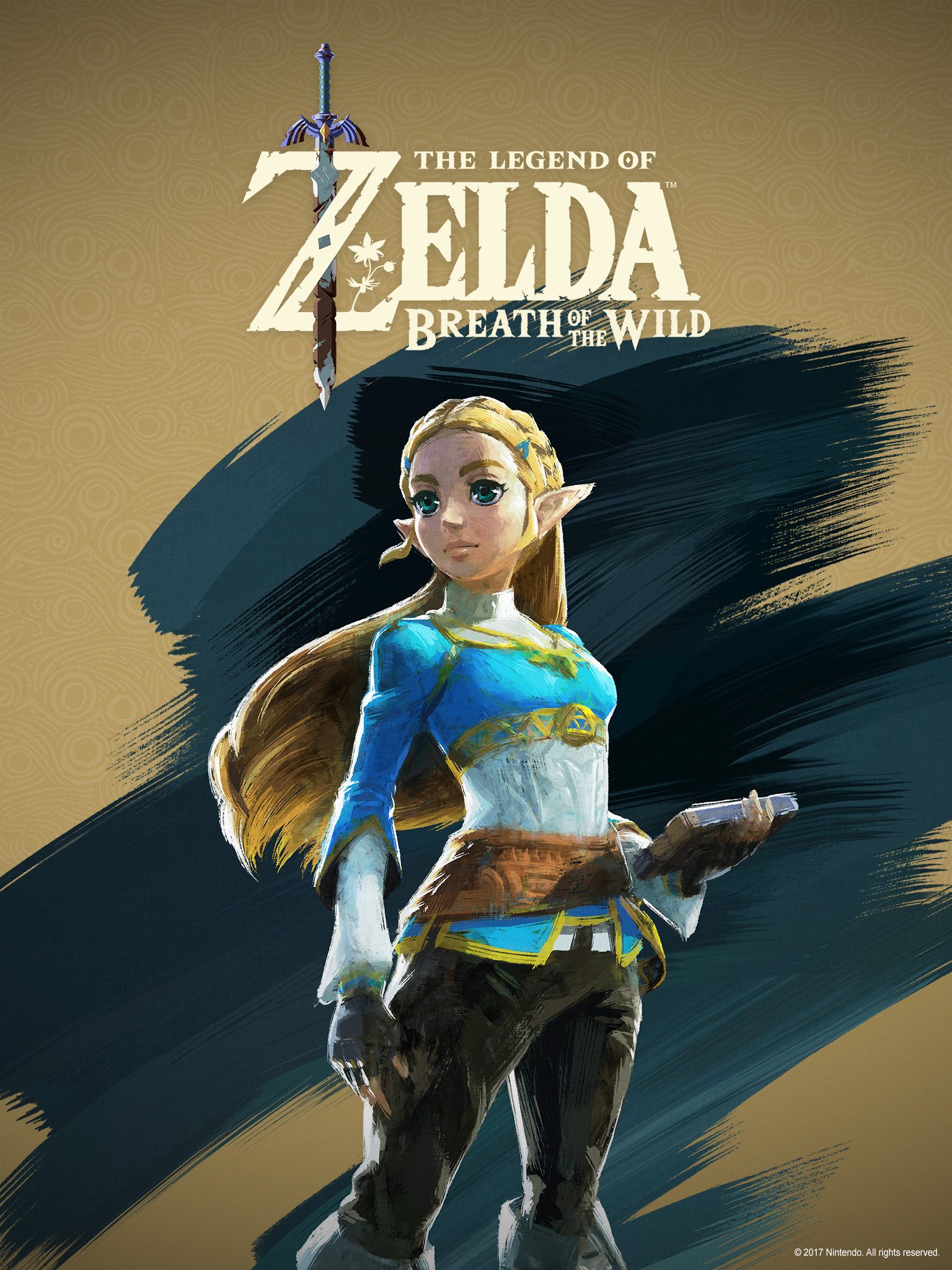 Why do I think that Princess Zelda is a positive feminine example? Because you get to see her hero’s journey. Granted, it’s through Link, but it’s there nonetheless. We don’t just see Zelda as the powerful sorceress that she is by the start of the game. We see her from the beginning, where she lacks any confidence and is unsure of her place in the world.
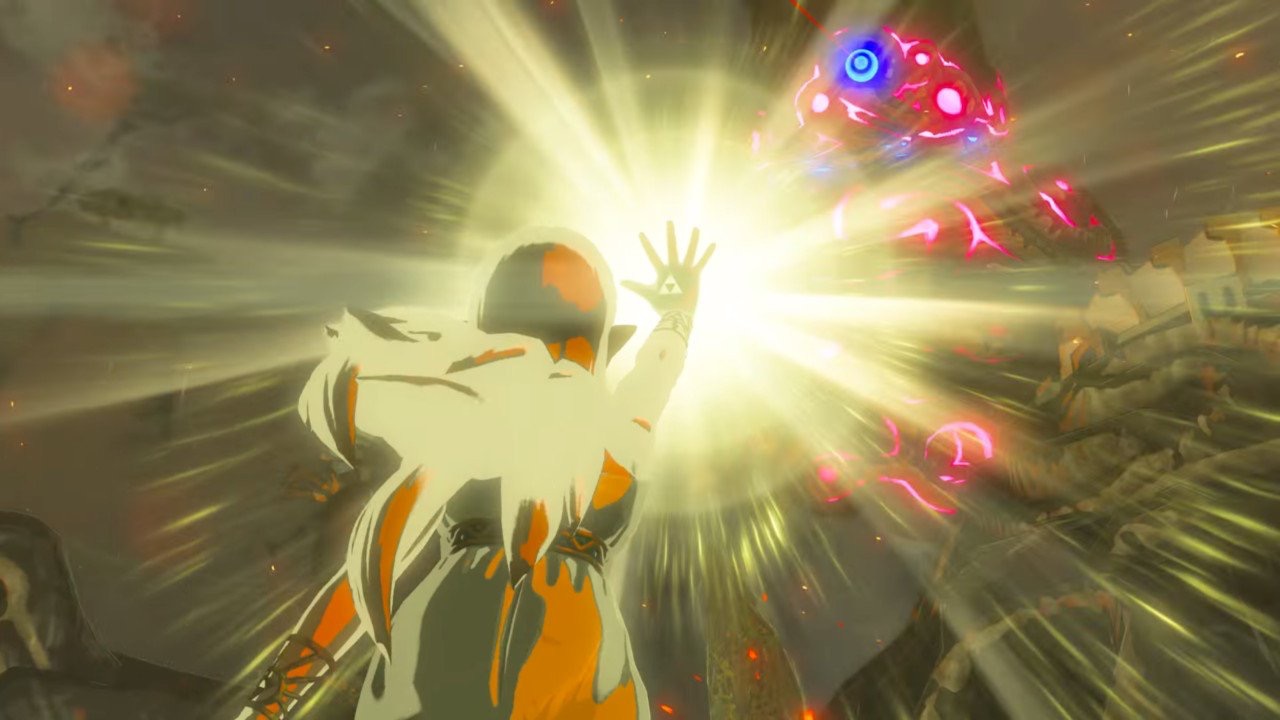 I want to get one thing out of the way. In most incarnations of Princess Zelda, she is a total bad ass. Ganon doesn’t lock her up in a tower as a part of some weird Mario/Bowser fantasy. Princess Zelda is almost categorically the most powerful person in any kingdom of Hyrule. Ganondorf locks Princess Zelda up for that exct reason. He’s afraid of her, and is very strategically removing the biggest threat first.
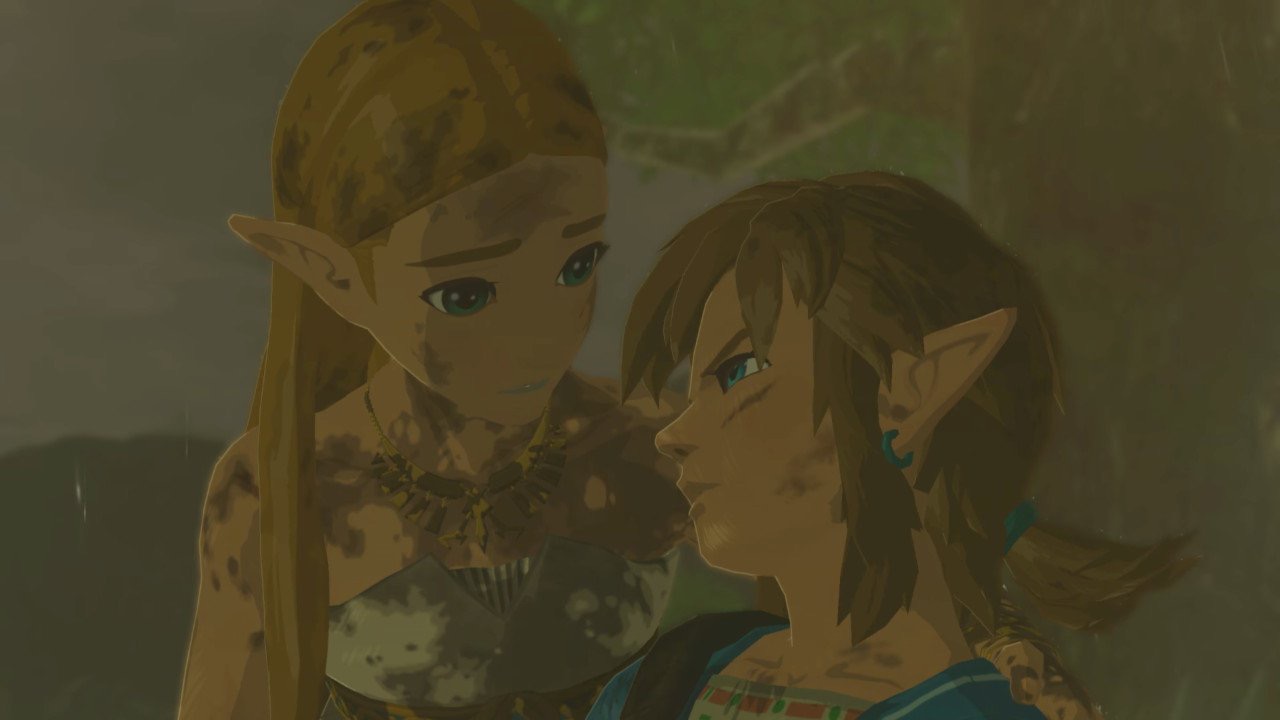 Breath of the Wild‘s Princess Zelda is obviously not there for most of the memories that Link recovers. She grows little by little over time, but it’s not until the end that she gains the wisdom and understanding needed to unlock her true potential. I could see where that moment could be misconstrued as her only being able to come into her own for the sake of a man, but I don’t think that’s the way it was at all. Princess Zelda doesn’t unlock her true potential to save Link.
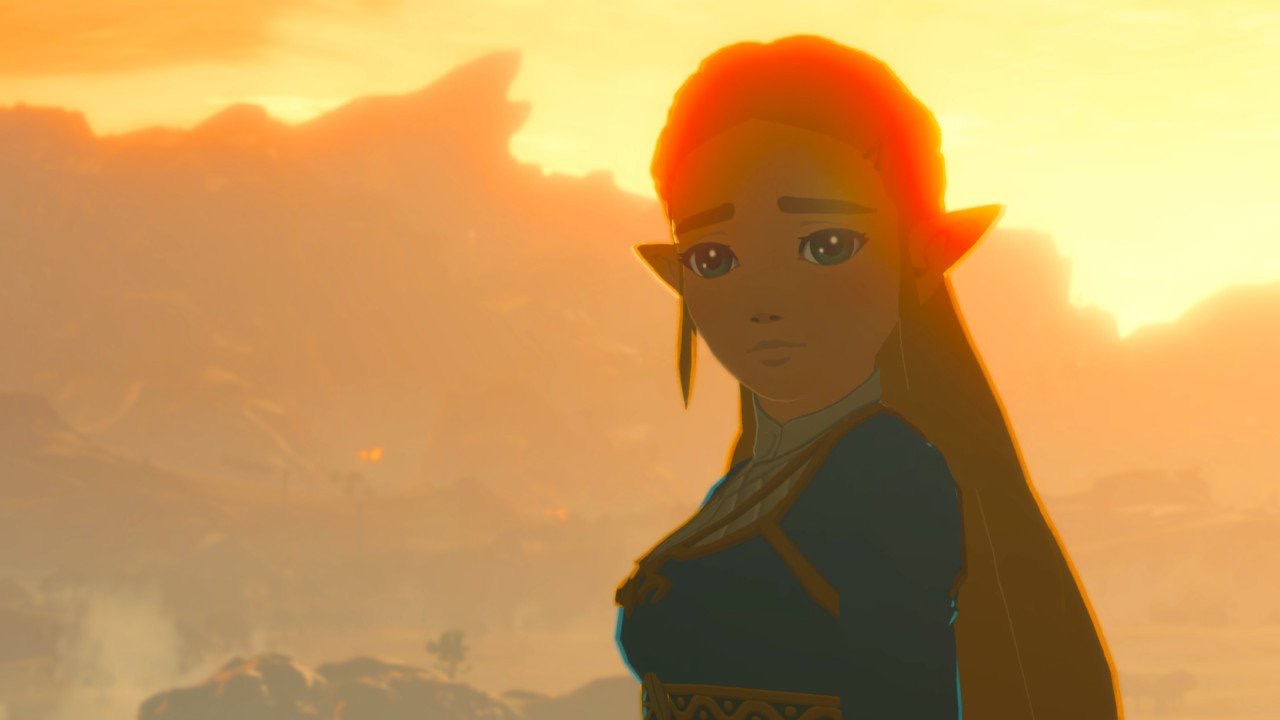 How does this make Princess Zelda a positive feminine role model? Because in our culture today women are more free than ever to step out into roles of power. Do we have a long way to go? Yes, but the tides are shifting quickly now. What that also means is that we need to see women at all stages of development. It’s great to see a Diana, Princess of Themyscira, who are fully actualized, and can take on the world with confidence and bravado.

You must be logged in to post a comment.